

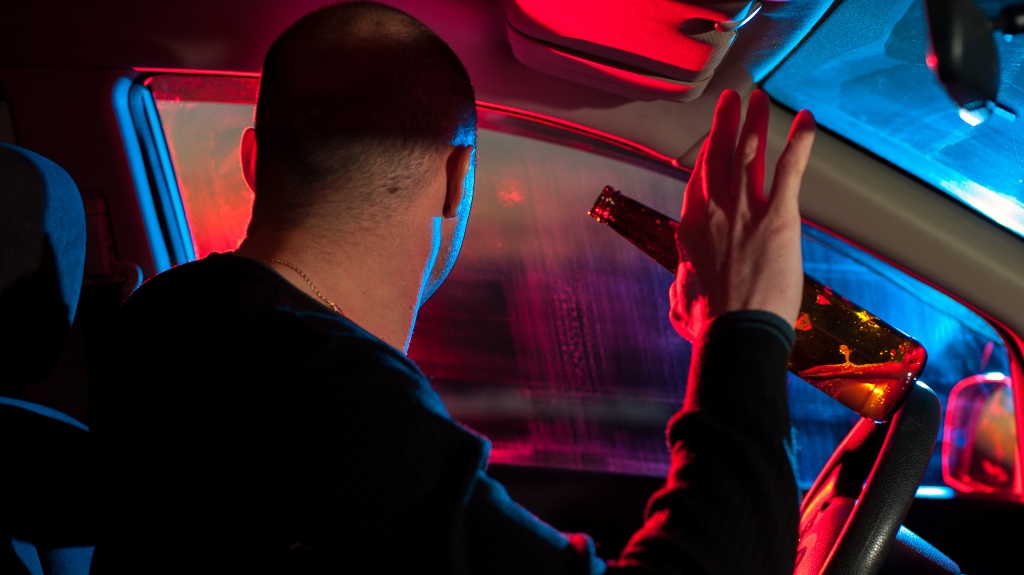
Due to its frequent and devastating consequences, drunk driving is a serious offense. A report published by the National Highway Traffic Safety Administration shows that accidents caused by drivers under the influence resulted in more than 10,000 fatalities last year.
Because of this and other equally chilling figures, anyone who causes injury to another person while driving under the influence should anticipate repercussions both civil and criminal in nature. If you are facing civil or criminal DUI charges this holiday season, reach out to our Chicago car accident lawyers for help.
Are DUIs Criminal or Civil Offenses?
A DUI counts as both a civil and a criminal offense. A criminal offense means someone has broken the law. In every state, driving a car while drunk or high is against the law, and the state is the one that brings criminal charges and decides the punishment.
If a drunk driver hurts someone, the injured person can file a civil lawsuit to get money for their injuries. If no one is hurt, then there is no civil case because there is no injured person to sue. However, there will still be a criminal case, because driving under the influence is against the law even when no one is injured.
Criminal DUI Charges
In a criminal DUI case, the state, not an individual, files the charges against the driver. A state prosecutor will handle the case and argue against the driver in court if the case goes to trial. To prove a DUI, the prosecutor must show three things: the driver was operating a vehicle, the vehicle was a motor vehicle, and the driver was under the influence at the time they were driving.
In a criminal case, the prosecutor must prove each element of a DUI charge “beyond a reasonable doubt.” This is the highest standard of proof required by law because, if the driver is found guilty, they could go to jail, owe exorbitant fines, and lose their driving privileges for quite some time.
Also, if the drunk driver is found guilty in criminal court, that conviction can be used as evidence in a civil case. This means the injured person doesn’t have to prove as much when showing the driver was negligent in their personal injury claim.
Civil Lawsuits
Civil drunk driving lawsuits are not brought by the state. They are filed by the person who was hurt by the drunk driver, or by that person’s family. Unlike a criminal DUI case, which the state will usually pursue no matter what, a civil case only happens if the injured person decides to file it. Most people need to hire their own lawyer if they want to bring a civil lawsuit against a drunk driver.
For those found liable in civil lawsuits, incarceration is not a potential punishment. They will, however, be required to pay the plaintiff’s damages, which typically include medical expenses, property damage, emotional anguish, and, in some cases, even punitive damages. Unlike compensatory damages, which compensate victims for their monetary losses, punitive damages are levied by the court for the sole purpose of increasing the severity of the punishment.
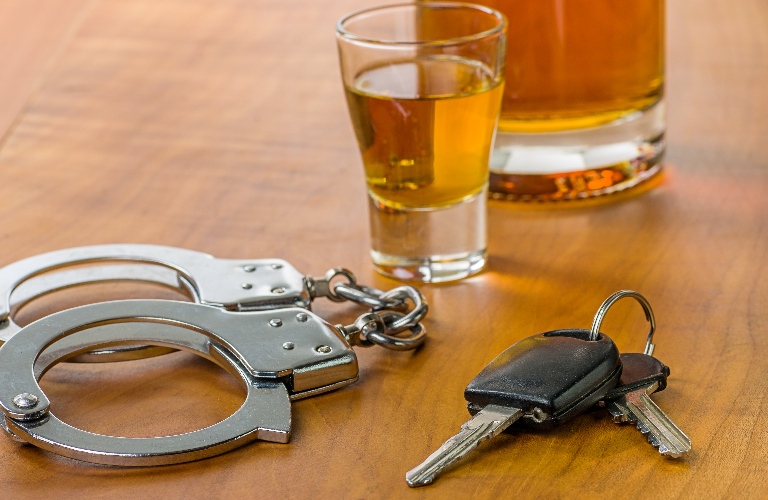
Since jail is off the table in a civil lawsuit, the degree of proof needed is not as high as in a criminal case. In civil court, the injured person only has to show through a “preponderance of the evidence” that it is more likely than not that the driver was responsible for the accident. This standard is easier to meet than “beyond a reasonable doubt.” The plaintiff’s lawyer does not have to prove that their explanation is the only possible one. They just need to show that their explanation is more likely true than not.
In a civil lawsuit, one issue that can come up is that the defendant may be “judgment-proof.” This means the person who caused the harm doesn’t have enough money or assets to pay what they owe. Since civil cases usually only result in the defendant paying money, not going to jail, a plaintiff may win the case but still have trouble collecting any money if the defendant cannot afford to pay.
Experienced lawyers know ways to avoid winning a case that ends up paying nothing. Often, the drunk driver’s insurance can cover the damages. In some situations, the lawyer may also decide to sue someone else who played a role in the accident, such as the bar that served the drunk driver alcohol or a company that made a faulty product. Suing a business instead of an individual can make it more likely that the injured person will actually receive compensation.
Discuss Your DUI Case With a Chicago Car Accident Lawyer
Understanding how DUI cases work can help you protect your rights and know what steps to take after an accident. If you were hurt by a drunk driver, you don’t have to face the legal process alone.
Call Fabbrini Law Group at (312) 494-3131 or contact us through our website to talk with a Chicago car accident lawyer about your case.