

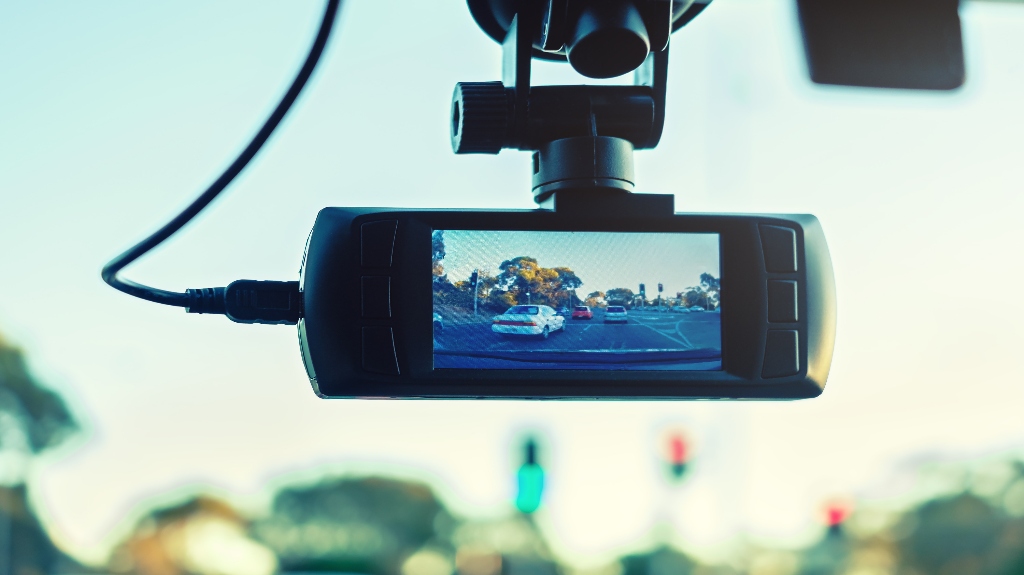
Car accidents happen with worrying frequency on Chicago’s busy and overcrowded streets, especially at intersections. Where there’s a crash, an injury claim isn’t usually too far behind. A common problem is that many crashes turn into a “he said/she said” scenario, with no neutral witness to clearly explain what really happened.
A dashcam can help break this kind of tie because it records what actually happened on video. Instead of relying only on different stories from each driver, you have clear footage of the crash. If you were hurt in a motor vehicle accident through no fault of your own, a skilled Chicago car accident lawyer can review the video and use it to help support your claim.
Where Can I Find Surveillance Footage of My Chicago Car Accident?
The most convenient and obvious place to locate useful video footage is from a vehicle’s dashcam. Dashcams are small video cameras placed on a car’s dashboard or windshield that record the road while you drive. They capture what happens in real time, which can strongly help or hurt a car accident claim. In most cases, dashcam video can be used as evidence in court.
Do Dashcams Offer Any Special Features That Can Help My Case?
Top of the range dashcam models often include features such as:
- Clear video: High-resolution recording helps capture license plates and road signs
- Wide view: Wide-angle lenses record more of the road and reduce blind spots
- Crash detection: Impact sensors automatically save the video if a collision happens
- Location tracking: GPS records where the car was and the time of travel
- Cloud backup: Video uploads online, so it is not lost or recorded over
- Inside audio: Some models record conversations inside the car
- Voice commands: You can control the camera with your voice
- Emergency alerts: Some dashcams can contact emergency services and send your location
- Other options: Features vary by model
What Is the Evidentiary Value of Dashcam Footage?
In Illinois courts, dashcam video can usually be used as evidence if it is relevant to the case and can be shown to be real and unaltered. The judge may look more closely at some types of footage. Below are some common ways you or the other side can use dashcam video in court or during settlement talks.
Establishing Fault
With dashcam footage, you’ll be able to:
- Show what happened: Capture the order of events before the crash
- Show speed and driving: Record how the dashcam car was moving
- Catch driver negligence: Show a driver running a red light or texting behind the wheel
- Show road conditions: Record traffic, weather conditions, and road layout
In a perfect world, dashcam video in and of itself would be enough to show who was at fault. Most of the time, however, it is just one of the many pieces of evidence used to support your claim.
Showing the Severity and Cause of Your Injuries
Insurance companies love to imply that victims’ injuries aren’t serious or were caused by something other than the crash. Dashcam video can show how fast your car was going and what conditions were like right after the accident. This can help connect the crash to your injuries and show how serious the impact was.
Strengthening Your Negotiating Position
Most car accident claims are settled through negotiation, not in court. Even without a judge making the decision, both sides think about what would likely happen if the case did go to trial. The other side’s willingness to settle often depends on how strong they think your case is. Dashcam video that supports your side can give you more leverage in settlement talks.
What Are Some Real-Life Applications of Dashcam Footage?
Examples of the types of collisions where dashcam footage may come in handy include:
Hit-and-Runs
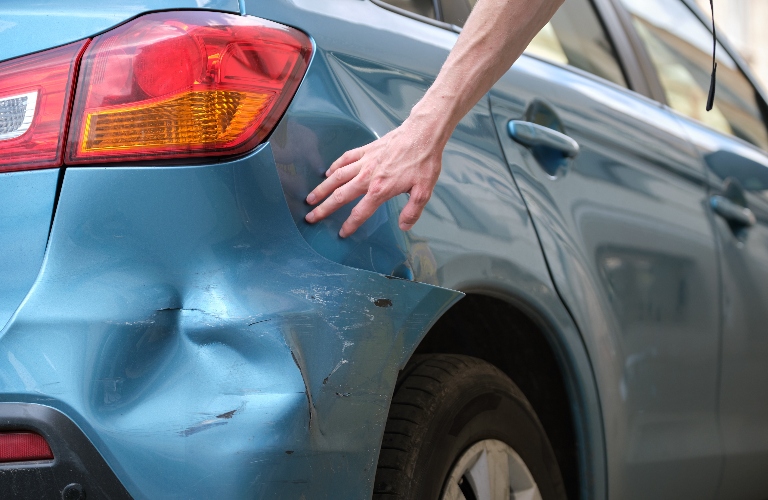
If the camera records in high resolution, dashcam video can help you find a hit-and-run driver. The video might not be perfect, but it might still show the car’s make and model and part of the license plate, which could help find the driver.
Drivers in Illinois must have insurance that will cover a hit-and-run accident, even if the other driver is never found. But if you can find out who the driver is, you might be able to file a claim with their insurance and use higher coverage limits if they have more than the minimum. You might also be able to ask for extra money damages to punish the driver if they acted in a very reckless and planned way.
Accidents Involving Pedestrians
In many pedestrian accident cases, the injured person says they were in the crosswalk, and the driver says they were not. Dashcam video can clearly show where the pedestrian was and help settle that dispute.
Accidents at Intersections
An overwhelming majority of Chicago car accidents happen at intersections, usually when someone runs a stop sign or a red light. Dashcam video can show who stopped and who went through the light or sign without stopping.
Dashcam Footage Issues
At first, a dashcam might seem like an evidentiary goldmine after a crash, but they are not without their limitations, and they don’t always capture everything clearly.
Audio Footage and Privacy Concerns
In Illinois, you usually cannot record someone’s voice unless they know they are being recorded. The state’s eavesdropping law makes secret audio recording illegal. Because of that, audio from a dashcam is usually not allowed as evidence. Only in rare situations will a court let that kind of recording be used.
Footage Being Overwritten
Dashcams have limited storage space. When the memory fills up, the camera may record over older video. That can erase important crash footage. Some higher-end dashcams automatically upload video to online storage, which prevents this problem. If your camera does not have that feature, save and copy the video right after an accident so it is not erased.
Dashcams Are Genuinely Impartial
If you were at fault for the crash, that’s what the dashcam footage will show. If a lawsuit is filed, the other side can ask for your dashcam footage during the evidence-sharing stage before trial. They may then use that video against you in court.
Dashcams Don’t Guarantee Success
Even if you have a dashcam video, it does not guarantee you will win your case. What matters most is how the video is used to prove the key parts of your claim. If the other side tries to use the footage against you, it is even more important to have the right legal help. The team at Fabbrini Law Group knows how to use dashcam evidence and other proof to build a strong case.
Discuss Your Case With a Chicago Car Accident Lawyer
Dashcam video can be very helpful after a crash, but it works best when it is backed up by other strong evidence and a clear legal strategy. Knowing how to collect, protect, and use that footage can make a real difference in your claim.
If you were hurt in a crash, talk with a Chicago car accident lawyer at Fabbrini Law Group. Call (312) 494-3131 or fill out our online contact form to schedule a case review.