

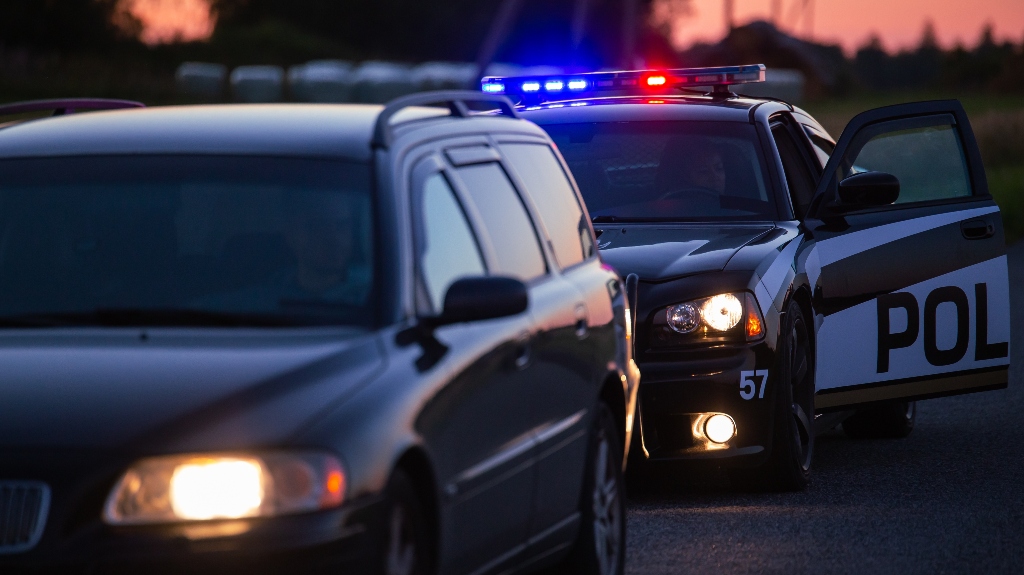
Most of the time, auto insurance accompanies the car, not its driver. In most cases, the owner’s insurance will pay for the damage if someone causes an accident while driving a car that doesn’t belong to them. It is also worth mentioning that coverage can change based on the details of the insurance policy and the type of coverage purchased by the owner.
If the person who caused your accident was driving someone else’s car, reach out to an experienced Chicago auto accident attorney at Fabbrini Law Group today to discuss your case.
Does Auto Insurance Cover Cars or Drivers?
In most cases, the car owner’s insurance pays first if someone else is driving the car and causes a crash. The owner’s policy usually helps pay for car damage and injury costs from the accident.
There are several avenues through which insurance can pay for damages when someone other than the policyholder caused the crash:
- Auto liability coverage: This type of insurance may help pay for other people’s medical bills or damage to their cars after a crash.
- Medical payments coverage: This type of coverage can help pay for the medical bills of a driver who caused an accident and got hurt.
- Collision coverage: This may pay for repairs to your car after a crash. However, the policyholder still has to pay the deductible first. This is the amount they have to pay out of their own pocket before the insurance company pays the rest.
These coverages can help pay for damages when one driver damages another driver’s car, but insurance policies are not without their limits. For example, some policies do not cover family members who live in your home. Other policies only pay a wee bit, even if the damage costs more.
The best way to know what a policy really covers is to read it and check the details about what is included and what is not.
What Happens If the Driver Has Their Own Insurance?

If the person driving the car has their own insurance, it may help pay only after the car owner’s insurance pays first. The owner’s policy is the main one. The driver’s policy usually only helps if the costs are higher than the owner’s coverage limit.
These two policies can work together. For example, if someone crashes while driving another person’s car and is at fault, the owner’s insurance pays first. If that is not enough to cover all the damage, the driver’s insurance may pay the rest. If the driver was not at fault, then the at-fault person’s insurance should pay for the damage.
What If Your Insurance Won’t Pay Out After a Crash?
In some cases, the car owner’s insurance company may refuse to pay for damage from a crash that happened while someone else was driving the car.
For example, an insurance company may refuse to pay if someone took the car without permission, the driver was not allowed under the policy, the driver was under the influence of drugs or alcohol, or the driver did not have a valid license.
What Is Permissive Use?
Insurance companies usually only pay if the driver had permission to use the car. This is called “permitted use.” If the driver did not have permission, it is called “non-permitted use,” and the claim may be denied.
Permitted use means the car owner clearly gave someone permission to drive the car. If the insurance company decides the driver had permission, it will usually pay for the damage from the crash. In some states, though, the company may pay a lower amount when the driver was not the owner.
Non-permitted use means someone was driving the car without the owner’s permission. If the insurance company finds this out, it will usually say the driver, not the owner’s policy, is mainly responsible for paying for the damage. If the driver has no insurance, a claim may still be filed with the car owner’s insurer, but coverage may be denied or limited.
Some non-permitted use cases involve thieves who steal the car. In those situations, the owner usually is not personally responsible for the damage. But the owner may still need to file a claim with their insurance company to help pay for repairs.
How Can I Prove That the Other Driver Was Allowed to Use the Vehicle?
It can be hard for car owners to prove whether the driver had permission to use the car. If they cannot show that permission was given, they may end up being responsible for the damage themselves.
A car owner may not get insurance coverage after a crash if they let someone drive who they knew had a bad driving record. Coverage may also be denied if the driver was doing something illegal, like driving under the influence or driving without a valid license. In those cases, the owner may have to pay the costs themselves.
In these and similar situations, the insurance adjuster may decide that the car owner is responsible for the damage from the crash.
Who Is Liable for Damages?
Generally speaking, car insurance follows the car, not the driver. The person who causes the crash is responsible for the damage and injuries. If someone else causes the accident while driving another person’s car, the at-fault driver and their insurance company should pay for the losses.
In a multi-vehicle collision, more than one person may share fault. Those at-fault drivers may have to share the cost of the damage. A car owner who did nothing wrong usually does not have to pay.
Talk to a Chicago Auto Accident Attorney
If a crash happened and the car owner wasn’t there, the owner’s insurance may still be the main policy that pays first. Coverage will depend on what is included in the policy and who was at fault. These details can change who is responsible for the damage.
Insurance coverage can get confusing when someone else is driving the car. Small details about permission, policy limits, and fault can change who has to pay. If you have questions after a crash, talk with a Chicago auto accident attorney at Fabbrini Law Group. Call (312) 494-3131 or fill out our online contact form to schedule a confidential case review.